Artist Statement: What It Is & Why You Need One (2026)
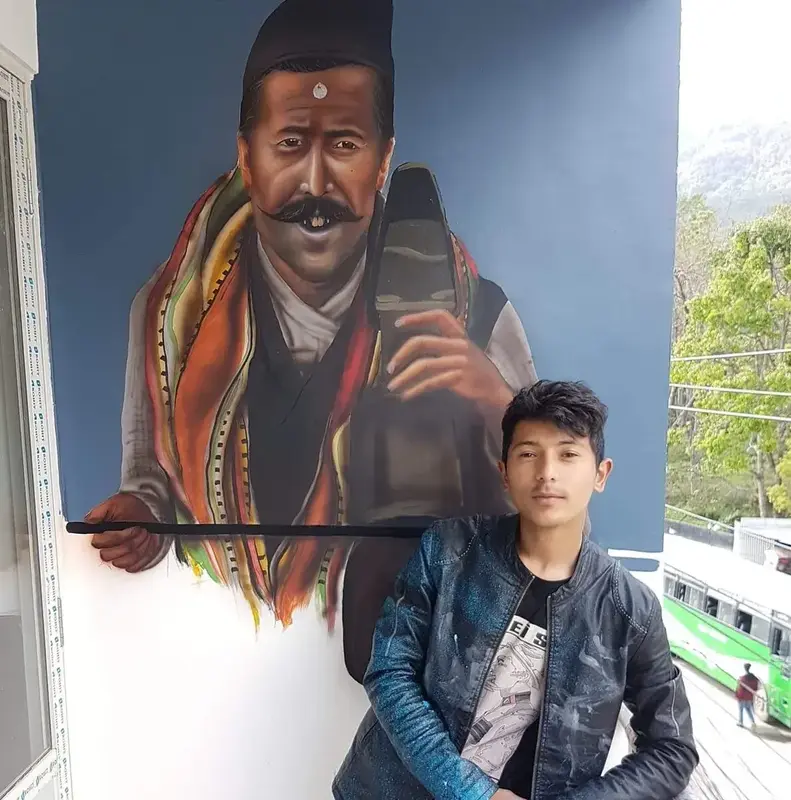
If you've ever stood in front of your own painting and struggled to explain why you made it, you're not alone. Many talented artists — from watercolour painters in Mississauga to large-scale muralists in downtown Toronto — pour everything into their work but freeze the moment someone asks, 'So, what's your art about?' That's exactly where an artist statement comes in.
An artist statement is a short, written description of your work, your creative process, and the ideas or emotions that drive what you make. Think of it as your art's voice when you're not in the room. It shows up on your website, in gallery proposals, on commission inquiry forms, and anywhere else a potential client or curator needs to understand not just what you create, but why.
For artists working in Toronto's competitive and richly diverse creative scene — whether you paint custom portraits, design residential murals, or create intricate pencil drawings — a strong artist statement can be the difference between landing a commission and being passed over. In this guide, we'll break down exactly what an artist statement is, what makes one effective, and how you can write one that genuinely reflects your creative voice.
What Exactly Is an Artist Statement?
An artist statement is a concise, first-person narrative — typically between 100 and 300 words — that describes your artistic practice, your themes, your materials, and your intentions as a creator. It is not a biography, a resume, or a list of your credentials. Instead, it's an honest, accessible window into how you think and feel about your work.
For a Toronto-based muralist, this might mean describing your love of transforming blank urban walls into community storytelling spaces. For a portrait painter, it could explain the intimate process of capturing a subject's personality through colour and light. For a commission-based drawing artist, it might touch on your technique, the mediums you favour, and the emotional experience you hope clients take away.
A strong artist statement avoids jargon and overly academic language. It speaks to a wide audience — from a first-time art buyer in Etobicoke who stumbled onto your website, to a curator reviewing applications for a group show. The goal is clarity and authenticity, not complexity. When done well, your statement makes readers feel like they already know and trust you before they've even seen your portfolio.
Why Every Artist Needs an Artist Statement
Many artists treat the artist statement as an afterthought — something to scramble together when a gallery asks for one. But for working artists, especially those who take commissions for custom paintings, murals, and drawings, it is one of the most powerful marketing tools you have.
First, it builds trust. When a client in Toronto is deciding between two muralists, the one who can clearly articulate their vision and process will almost always win the job. An artist statement signals professionalism and helps clients feel confident they're making the right choice. Second, it helps potential clients self-select. A well-written statement attracts the right audience — people whose aesthetic and values align with yours — and gently filters out those who aren't a good fit, saving everyone time.
Third, your artist statement improves your online discoverability. Search engines index text on your website, and a thoughtful statement filled with relevant, natural language about your medium, style, and location helps you appear in searches like 'custom mural artist Toronto' or 'portrait painter Canada.' It's also essential for grant applications, artist residencies, press features, and social media bios. In short, your statement works hard for you around the clock.
The Key Elements of a Strong Artist Statement
A great artist statement doesn't need to be long, but it does need to be intentional. There are a few core components that every effective statement includes, regardless of your medium or style.
Start with what you make. Be specific — don't just say 'I create art.' Say 'I create large-scale acrylic murals for residential and commercial spaces across the Greater Toronto Area.' This immediately grounds the reader in your practice. Next, explain why you make it. What drives you? Is it a fascination with cultural identity, a desire to bring colour into overlooked neighbourhoods, or a passion for preserving family memories through portraiture? This is the heart of your statement — it's where clients connect with you emotionally.
Then describe how you work. Mention your medium, your process, and any techniques that make your approach distinctive. Do you blend traditional pencil drawing with digital finishing? Do you collaborate closely with clients throughout the mural design process? These details reassure potential clients that you're thoughtful and skilled. Finally, close with the impact you hope your work has — on viewers, on spaces, or on the people who commission it. Keep the language warm, direct, and genuinely yours. Avoid clichés like 'I've been passionate about art since I was a child' unless you can make them feel fresh and personal.
Common Mistakes Artists Make in Their Statements
Even experienced artists can fall into predictable traps when writing their statements. Being aware of these pitfalls will help you avoid them and craft something that actually resonates.
The most common mistake is being too vague. Phrases like 'I explore the human condition' or 'my work challenges conventional boundaries' sound meaningful but say almost nothing. Clients and curators read hundreds of statements — yours needs to be specific enough to be memorable. Tell them what exactly you explore, and how your work does it.
Another frequent error is writing in the third person when first person is called for, or vice versa. Artist statements are almost always written in the first person ('I create,' 'my process involves') because they're personal and direct. Third person reads as distant and formal, which can undermine the warmth you want to convey, especially if you're inviting clients to work with you on something as personal as a custom painting or family portrait.
Artists also tend to over-explain their influences and under-explain their process. While mentioning that you were inspired by the Group of Seven or by Toronto's multicultural street art scene is valuable context, clients care more about what working with you actually looks like. Balance inspiration with practical insight. Finally, don't write one statement and use it forever. Update it annually or whenever your work evolves significantly — what felt true in 2023 may not reflect where you are as an artist in 2026.
How to Write Your Artist Statement Step by Step
If you've never written an artist statement before — or if your current one feels stale — here's a practical, step-by-step approach to writing one that truly works.
Step one: freewrite for ten minutes. Set a timer and answer these questions without editing yourself: What do I make? Why do I make it? Who is it for? What do I want people to feel when they see it? What makes my process or style different from other artists in my city? Don't worry about sentences — just get the raw material on the page.
Step two: identify the two or three ideas that feel most true and most compelling. These become the spine of your statement. Step three: write a rough draft of 200 words. Open with a specific statement about your practice, move into your motivation, describe your process briefly, and close with the impact you aim to create. Step four: read it aloud. If any sentence makes you cringe or sounds like it was written by someone else, rewrite it in your own voice. Step five: get feedback from someone outside the art world — a friend, a family member, a past client. If they understand what you do and why after reading it, you've succeeded. If they're confused, simplify. As a Toronto-based artist taking custom commissions, your statement should feel like a natural conversation starter, not an academic exercise.
Where to Use Your Artist Statement
Once you've written a statement you're proud of, the next step is putting it to work across every platform and touchpoint where potential clients and collaborators might encounter your name.
Your website is the most obvious place. Add your statement to your About page and consider incorporating a condensed version into your homepage to immediately communicate who you are. If you offer custom commissions for murals, portraits, or drawings, include a version of your statement on your commission page as well — it reassures clients and sets the tone for your working relationship.
Social media bios on Instagram, Facebook, and LinkedIn can all hold a one-to-two sentence distillation of your statement. This is your micro-statement, and it should pack a punch. When you apply for gallery shows, art fairs, public mural projects, or Toronto arts grants — such as those offered through the Toronto Arts Council or Ontario Arts Council — a polished statement is almost always required and often heavily weighted in the selection process.
Don't overlook printed materials either. If you sell work at local art markets or attend community events, a printed artist card or brochure with your statement gives people something tangible to take away. Press releases, media kit, and email newsletters can all draw from your statement too. Think of it as a living document that powers all of your creative communications.
Your artist statement is not a bureaucratic formality — it's one of the most honest and powerful things you can put into words as a creative professional. In a city like Toronto, where art communities are vibrant, diverse, and competitive, being able to clearly and compellingly communicate your practice gives you a real edge, whether you're pursuing gallery representation, landing residential mural commissions, or growing your custom portrait business.
Take the time to write yours with care, revisit it as your work evolves, and let it open doors you didn't know were waiting. If you're a Toronto-area artist looking to connect your creative vision with clients who truly get it, your statement is where that relationship begins.
Interested in a Custom Piece?
Whether it's a portrait, a painting, or a mural — let's talk about what you have in mind.
Get a Free QuoteFrequently Asked Questions
How long should an artist statement be?
Most artist statements fall between 100 and 300 words, though some contexts call for a shorter one-paragraph version or a longer extended statement of up to 500 words. For websites and commission inquiries, aim for around 150 to 200 words — concise enough to hold attention but detailed enough to give readers a real sense of your practice. Always tailor the length to the context, since grant applications may require more detail than a social media bio.
What is the difference between an artist statement and an artist bio?
An artist bio is written in the third person and focuses on your background, training, exhibitions, and career highlights — it's factual and biographical. An artist statement is written in the first person and focuses on your creative ideas, motivations, process, and intentions — it's personal and conceptual. Both are important, but they serve different purposes and should not be used interchangeably.
Do I need an artist statement if I only do commission work?
Absolutely — in fact, commission-based artists arguably need a strong statement more than gallery artists do, because clients are making a personal financial investment in your work. A clear artist statement builds trust, communicates your style and process upfront, and helps attract clients whose vision aligns with yours. It also reduces the number of mismatched inquiries you receive, saving you significant time in the long run.
Can I use AI to write my artist statement?
AI tools can be helpful for getting started or overcoming writer's block, but your final statement should always be rewritten in your own voice and reflect your genuine perspective. Readers — especially clients commissioning personal or site-specific artwork — can often sense when a statement feels generic or inauthentic, which can undermine trust rather than build it. Use AI as a brainstorming tool, then revise thoroughly until every sentence sounds unmistakably like you.